
In orbit refueling (IOR) is the capability to transfer propellant to a spacecraft after it has been launched and placed into orbit.
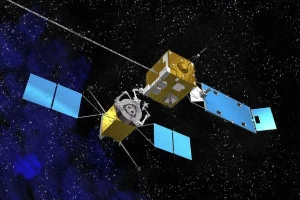
Source – Space.Com
Propellant is one of the most critical life-limiting resources of any spacecraft. It enables:
- Orbit insertion and transfer
- Station-keeping and attitude control
- Collision avoidance maneuvers
- Mission extension and repositioning
- Controlled deorbiting at end of life
Without propellant, even a fully functional spacecraft becomes operationally constrained. Its ability to maneuver, adapt to mission changes, or extend service life is limited by the fuel it carries at launch.
In-orbit refueling changes this constraint.
Instead of designing spacecraft around a fixed propellant budget determined at launch, IOR enables controlled replenishment of propellant in space. This allows spacecraft of different sizes, architectures, and mission profiles to extend operational life, maintain flexibility, and operate more strategically over time.
When propellant reserves decline, operators become conservative. Maneuvers are delayed, mission flexibility decreases, and long-term value erodes. In-orbit refuelling restores operational freedom by transforming propellant from a one-time launch resource into a replenish able operational asset.
Why Orbital Refuelling Changes Mission Economics and Capability
The ability to deliver propellant in orbit in a cost-effective and reliable manner fundamentally changes how spacecraft are designed, operated, and valued.
Historically, spacecraft have been engineered around a fixed propellant budget. Mission life, maneuvering strategy, redundancy planning, and risk posture are shaped by the finite fuel carried onboard.
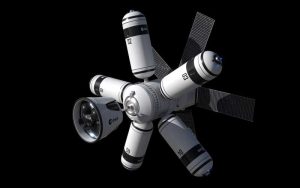
Source – European Space Flight
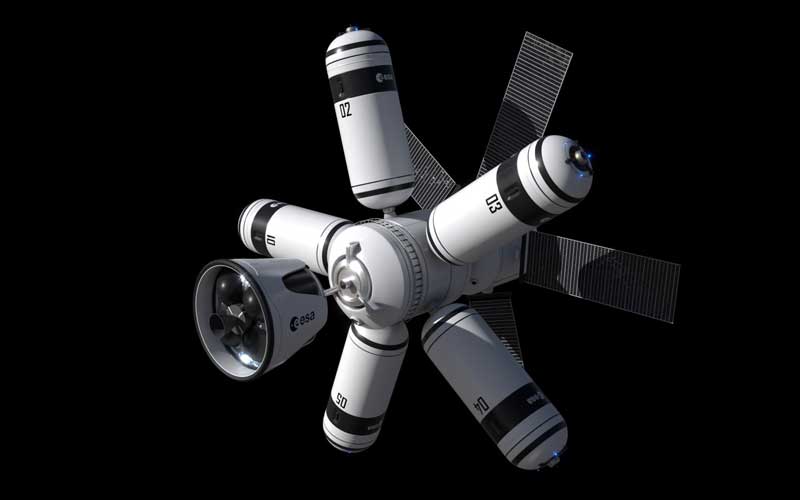
IOR disrupts that constraint.
In the near term, IOR provides measurable benefits:
- Extension of spacecraft operational life
- Recovery of maneuver margin late in mission
- Increased flexibility for station-keeping and collision avoidance
- Improved resilience to unexpected orbital adjustments
Over the longer term, the impact is more transformative.
When propellant becomes replenishable rather than fixed, spacecraft can be optimized for maneuverability and adaptability rather than conservation alone. This enables:
- Intentional orbit changes to pursue new mission opportunities
- Repositioning across orbital regimes such as LEO, MEO, and GEO
- Dedicated debris servicing or repositioning missions
- Constellation reconfiguration
- Adaptive mission planning in response to emerging needs
As cost-effective propellant delivery matures, entirely new operational models may emerge—models that are not economically feasible under today’s single-fuel-load paradigm.
IOR does more than extend life. It alters the economic and strategic logic of space operations.
Architectural Models for Orbital Refueling
At a high level, orbital refueling architectures can be grouped into two primary models, from which hybrid variations emerge.
Direct Earth-to-Client (Shuttle-Based Architecture)
In this model, a service vehicle is launched from Earth carrying propellant and directly refuels a client spacecraft in orbit.
The sequence includes:
- Launch of the service vehicle with propellant
- Rendezvous and proximity operations
- Propellant transfer to the client
- Departure, repositioning, or deorbit
This architecture minimizes in-space infrastructure and may be suitable in early market phases when refueling demand is limited or mission frequency is low.
However, logistics scale linearly with demand, as each servicing mission requires launch capacity and mission planning. Operational intensity remains high.
Two-Phase Delivery (Depot-Based Architecture)
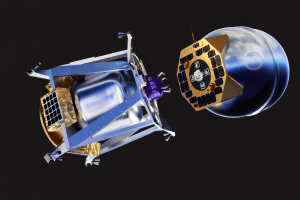
Source – Orbit Fab
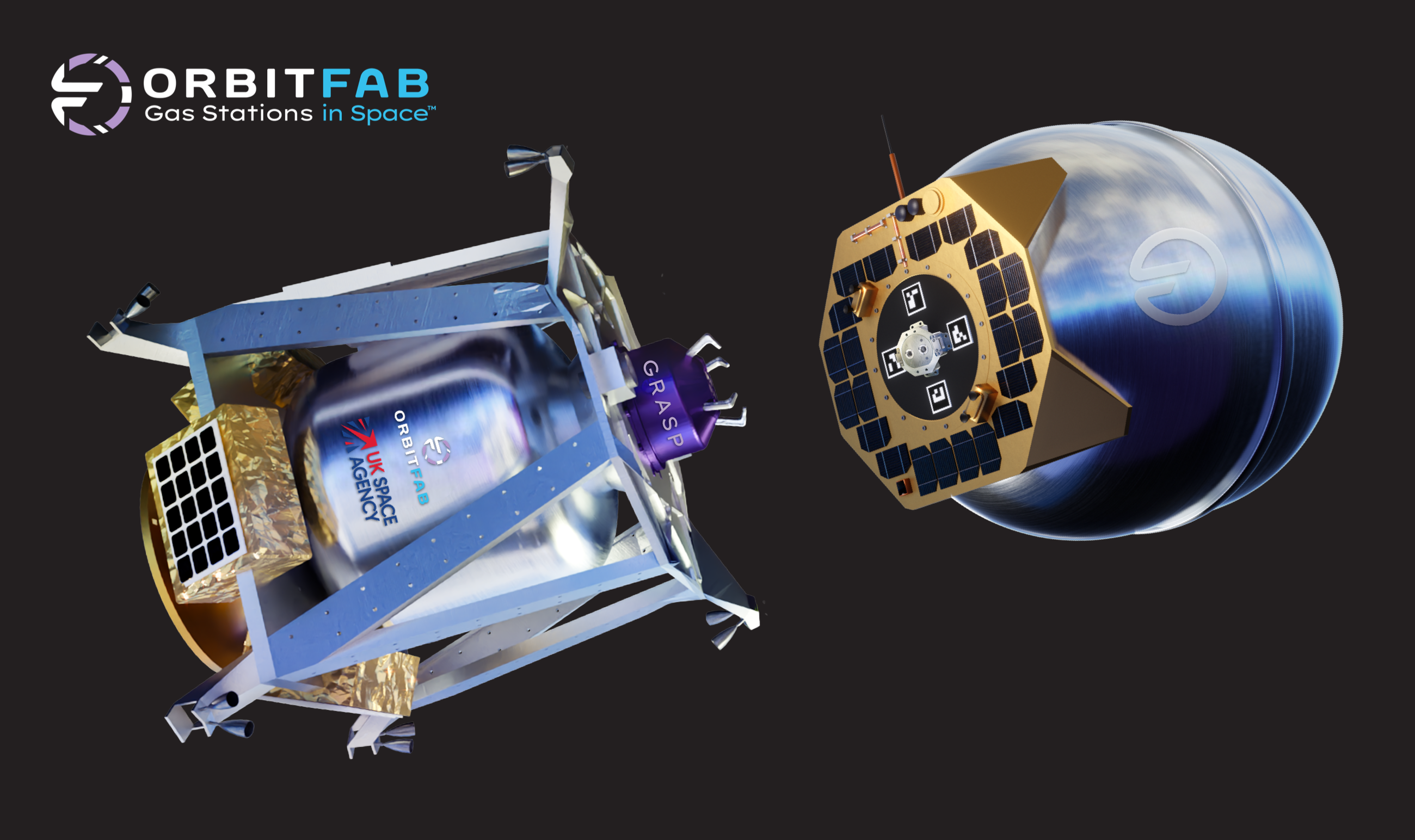
Greater long-term efficiency can be achieved through a two-phase delivery model.
In this architecture:
- Bulk propellant is delivered from Earth to an orbital depot
- Smaller service vehicles distribute propellant from the depot to client spacecraft
This model mirrors terrestrial fuel distribution systems. Fuel is transported in bulk to centralized locations, then distributed locally. As the number of operational spacecraft increases, the same economic logic applies in orbit.
Advantages include:
- Reduced launch frequency per client mission
- Improved responsiveness to refueling demand
- Aggregated propellant logistics
- Decoupling of bulk transport from tactical servicing
- Scalability as orbital density grows
As orbital activity expands across LEO, MEO, and GEO, infrastructure-based refueling models become structurally more efficient.
Hybrid and Transitional Architectures
In practice, market evolution is unlikely to shift immediately from direct Earth-to-client servicing to fully developed depot networks.
Intermediate approaches may include:
- Shuttle-based servicing for early adopters
- Regional depots serving high-density orbital shells
- Mixed architectures tailored to specific mission classes
Architectural choice is influenced by traffic density, mission frequency, propellant demand distribution, launch economics, and orbital regime characteristics.
Systems Engineering Challenges in In Orbit Refueling
IOR is not a single-vehicle problem. It is a distributed, multi-phase system spanning launch, orbital transfer, rendezvous, propellant transfer, return cycles, and sustained operational readiness.
Source – ULA Launch
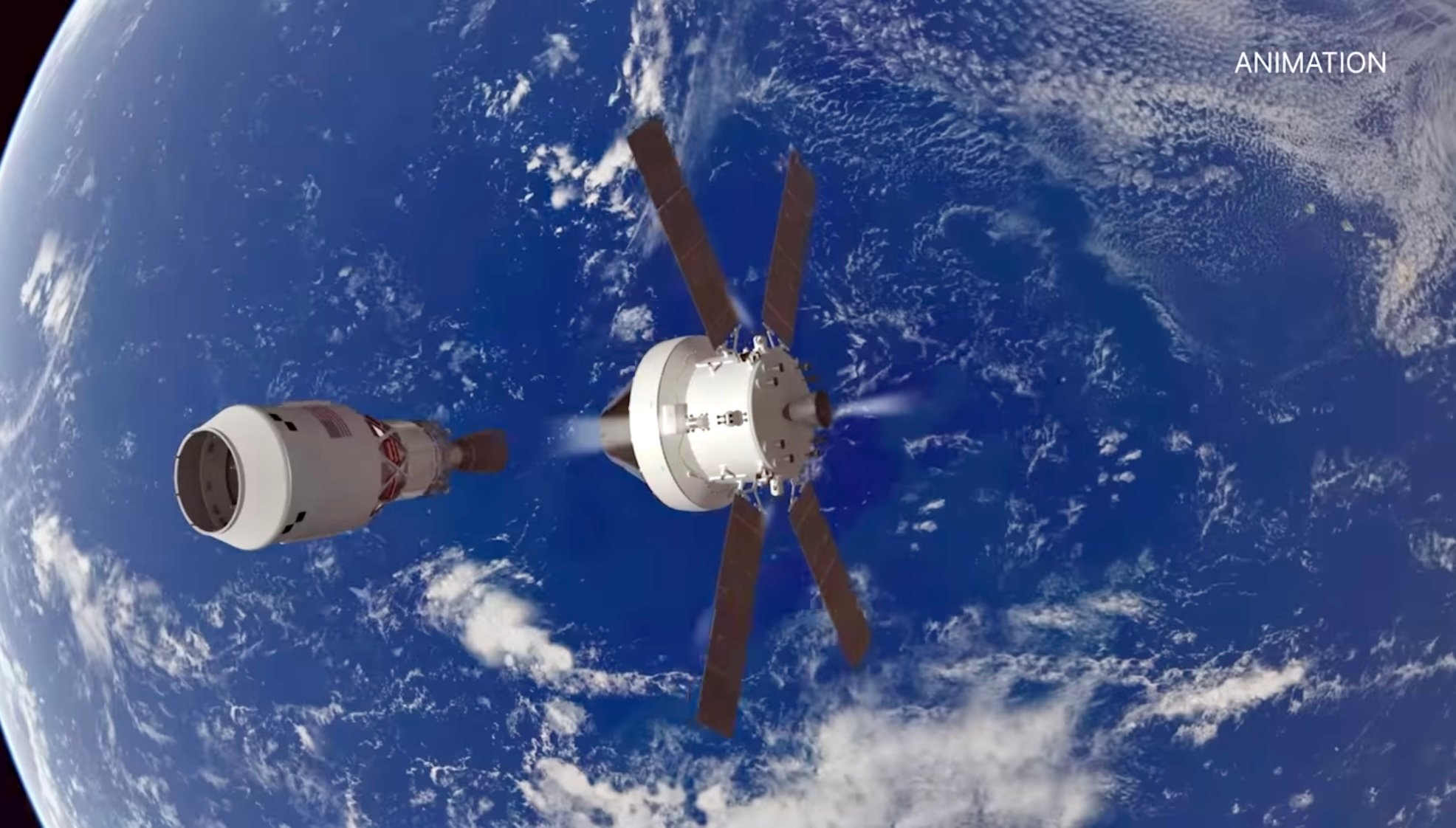
From a systems perspective, IOR integrates:
- Earth launch logistics
- Orbital mechanics and trajectory design
- Rendezvous and proximity operations
- Fluid transfer in microgravity
- Autonomy, guidance, and control
- Communications and telemetry
- Client vehicle compatibility
- Infrastructure sustainment
These phases are tightly coupled. Decisions in propulsion sizing, autonomy strategy, or interface design propagate across mission safety, fuel margins, structural loads, and mission economics.
Multi-Disciplinary Integration
An operational In orbit refueling architecture requires coordinated expertise across:
- Orbital mechanics and trajectory analysis
- Propulsion and fluid systems engineering
- Electrical and power systems
- Embedded systems and autonomy
- Communications and ground systems
- Guidance, navigation, and control
- Mechanical and structural engineering
- Launch vehicle integration
No single discipline governs success. Reliability emerges from coherent integration across domains.
Multi-Vehicle and Multi-Orbit Variability
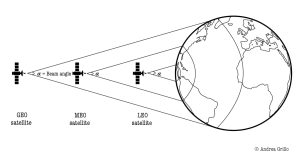
Source – Deep in Security
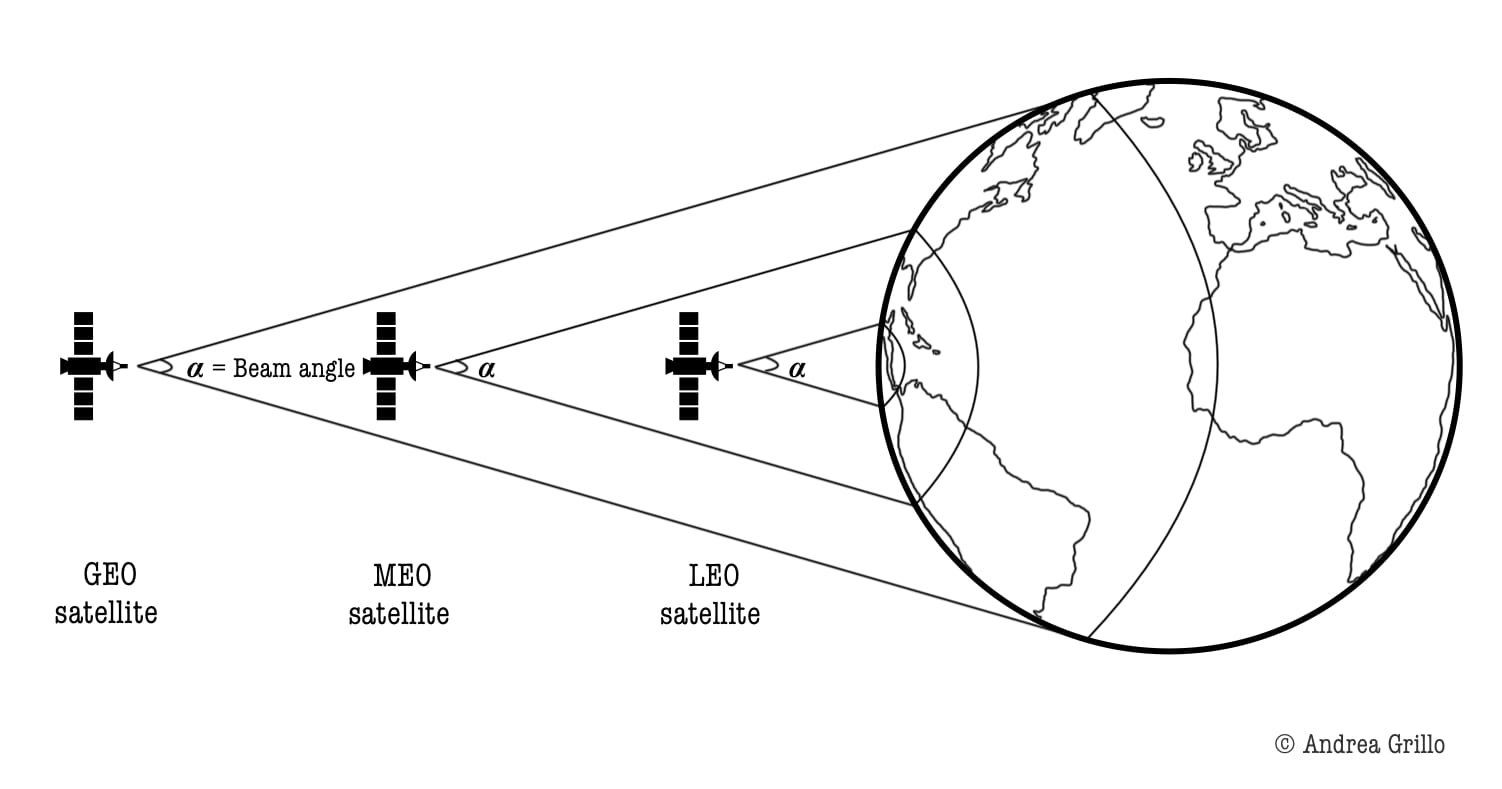
Client spacecraft may differ in:
- Orbital regime (LEO, MEO, GEO)
- Inclination and orbital shell
- Structural configuration
- Docking or interface standards
- Propellant type and transfer requirements
- Mission criticality
This variability introduces integration complexity across mechanical, fluid, operational, and verification dimensions.
IOR must function not for a single client profile, but across varied mission types and orbital environments.
This combination of cross-domain coupling, variability, and integration risk makes IOR structurally a systems-engineering-driven endeavour.