Space Systems Engineering

Reducing Integration and Lifecycle Risk in Mission-Critical Space Programs

Space systems engineering programs rarely fail at concept stage. They fail during integration, verification, or operations — when correction becomes expensive.

ReliqAI strengthens architecture integrity, requirement traceability, and verification alignment across the lifecycle using structured MBSE-driven engineering.

Let’s Have a Technical Conversation

What We Provide

Systems Engineering Architecture

Systems Engineering

End-to-end space systems engineering support including architecture development, requirements alignment, integration planning, and lifecycle coordination.

Traceability Verification

Traceability Based Verification

Structured verification driven by requirements traceability ensuring validation coverage across system architecture and implementation stages.

Embedded Systems Engineering

Embedded Systems Engineering

Design and integration of embedded hardware and software supporting mission-critical subsystems and operational reliability.

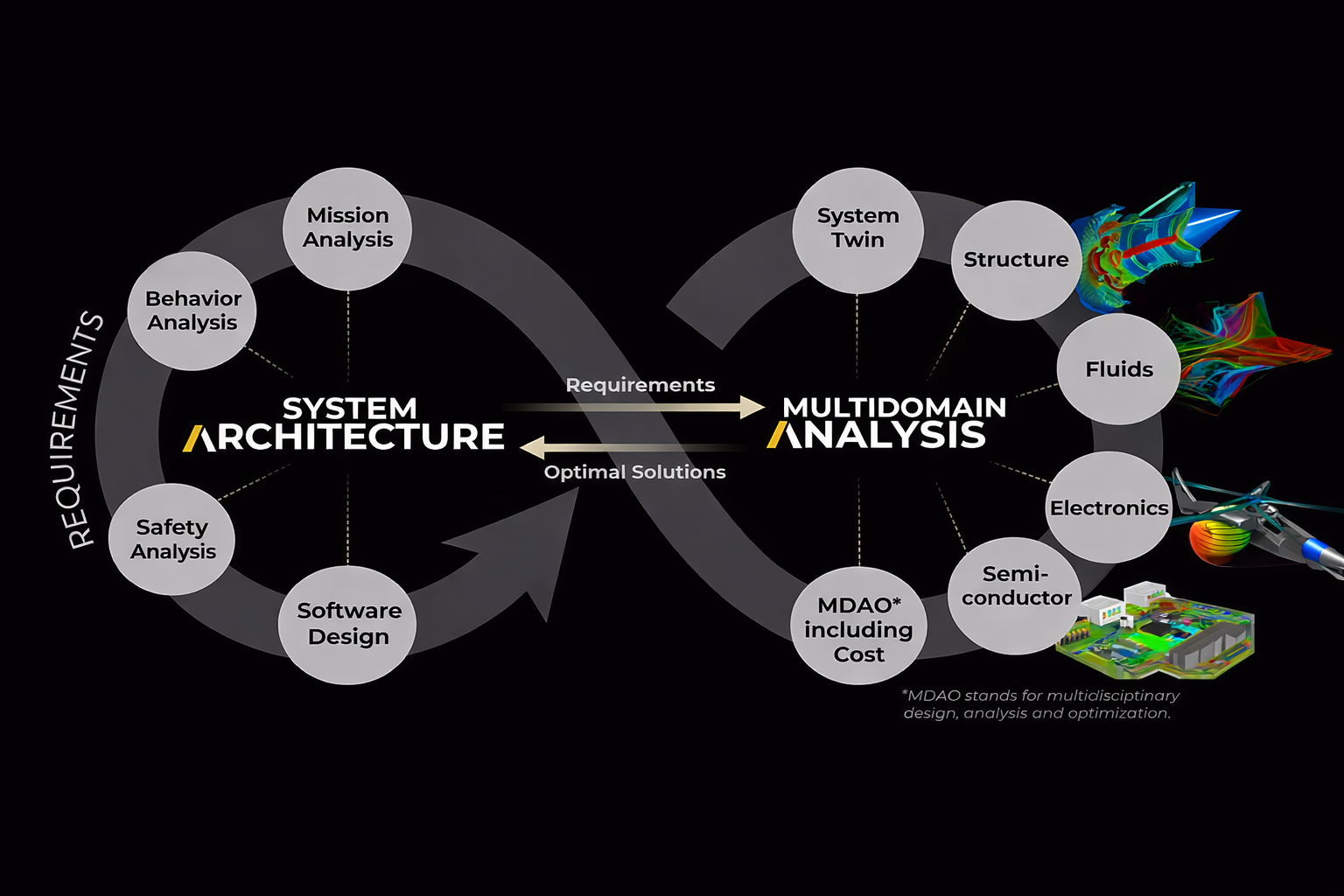
Model Based Systems Engineering Space Architecture

How ReliqAI Engineering Services Strengthen Space Programs

  • Reduce late-stage integration surprises through disciplined architecture control.
  • Ensure requirements are allocated, implemented, and verified with full lifecycle traceability.
  • Minimize cost and schedule exposure caused by architectural and interface gaps.
  • Strengthen delivery confidence for mission readiness, audits, and program reviews.

What We Solve

Incomplete or drifting requirements that create downstream engineering instability.

Architectural gaps discovered too late, increasing integration and redesign costs.

Interface ambiguity across teams or suppliers causing coordination risks.

Verification strategies misaligned with evolving system designs.

Proposal and program risk exposure due to insufficient systems-level discipline.

What We Deliver

Structured space systems engineering engagement designed to reduce integration risk, strengthen architecture alignment, and support mission readiness across program lifecycles.

Requirements Engineering

Requirements capture, decomposition, and structured traceability across system hierarchies.

Mission & Operational Analysis

Mission-driven operational analysis ensuring system behavior aligns with real mission environments.

Verification, Validation & Traceability

Verification integrated across architecture and implementation lifecycle ensuring mission assurance and compliance.

Architecture Development & Risk Review

Comprehensive architecture & system-level risk review to identify lifecycle early. Logical & physical architecture definition aligned with integration strategies.

MBSE-Enabled Interface & Integration Support

Interface definition, control, and system-to-subsystem allocation supporting integration readiness. Model-based systems engineering applied selectively where it reduces integration and verification risk.

Embedded & Subsystem Engineering

Subsystem engineering and embedded integration supporting reliable system implementation across operational environments.

Space Systems Engineering/MBSE Implementation

Ideal for active programs approaching key milestones.

Systems Engineering Support

  • Mission and operational analysis aligned with system objectives.
  • Requirement decomposition and lifecycle traceability.
  • Logical and physical architecture modeling supporting integration readiness.
  • Interface modeling and cross-system dependency alignment.

Standards-Aligned Engineering

  • Lifecycle processes aligned with ISO/IEC 15288 standards.
  • Engineering governance supporting audits, reviews, and milestone readiness.
  • IEEE 1220 – Space Systems engineering processes.
  • ECSS (European Cooperation for Space Standardization).
  • DO-178 / DO-254 in safety-critical contexts

Verification, Validation & Traceability

  • Early verification strategy definition
  • Requirement-to-test traceability
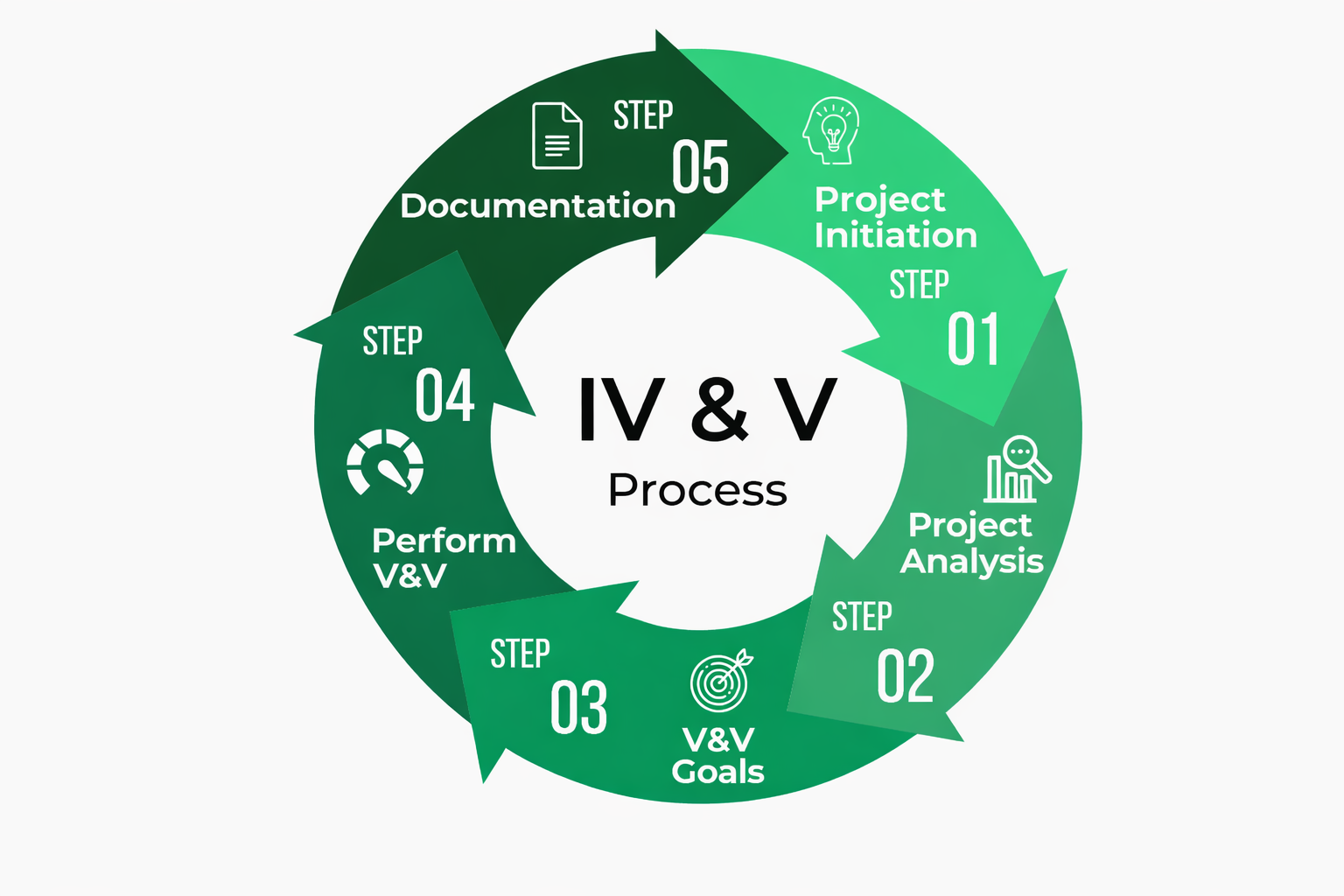
  • Independent Verification and Validation (IVV) support
  • Integration readiness assessments
  • Audit-ready evidence preparation

Verification integrated across architecture and implementation lifecycle.

Verification Engineering
Embedded Engineering

Embedded & Subsystem Engineering

  • Embedded payload electronics and firmware
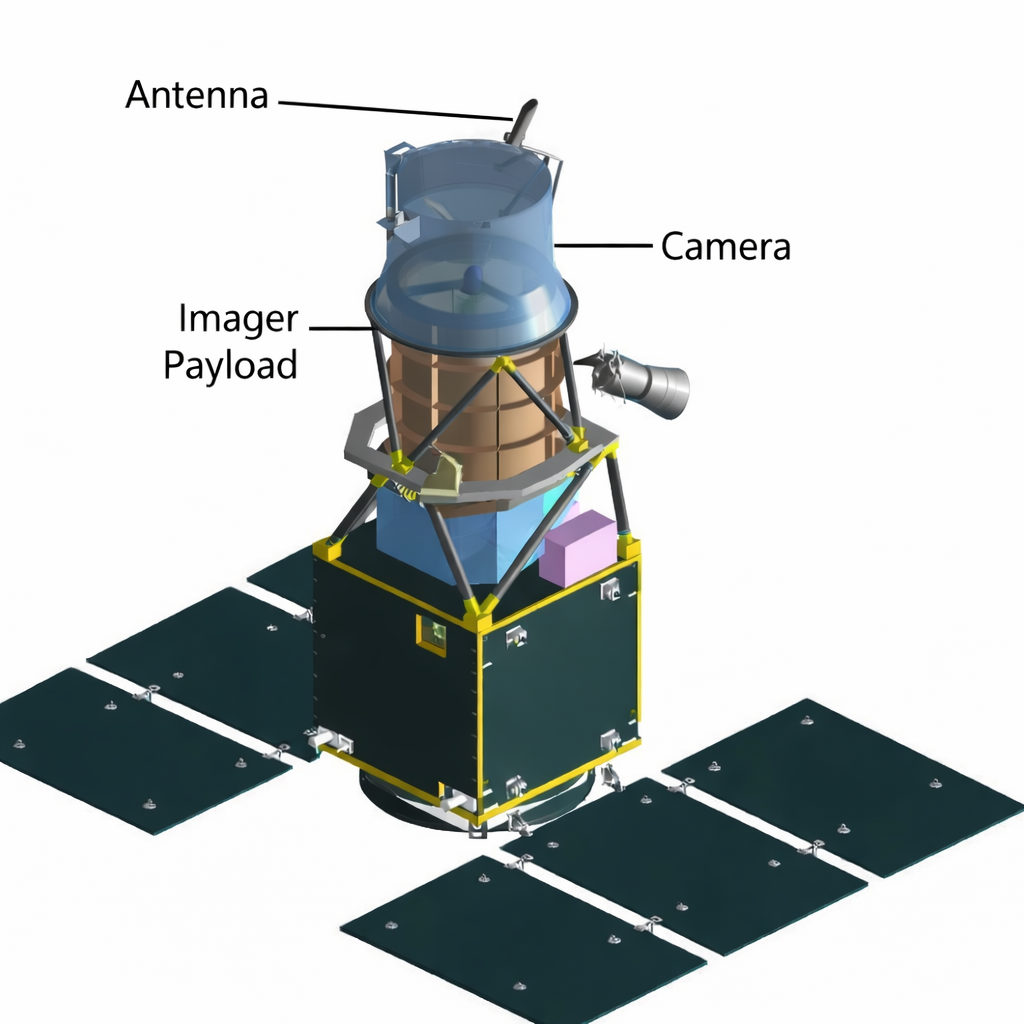
  • Satellite onboard subsystems
  • Ground stations and gateway systems
  • Landing stations and mission control interfaces
  • User terminals and edge devices
  • Hardware/software integration

Implementation aligned with system architecture and requirements traceability.

Engagement Models

Targeted Architecture Support

Review architecture documents, verify completeness, model system components, and develop end-to-end requirements and traceability alignment.

Embedded Subsystem Delivery

Design, build, and test space systems engineering components including user terminals and mission payload subsystems supporting operational deployment.

Verification & Traceability Services

Review QA processes, assess traceability coverage, develop quality assurance frameworks, or provide independent verification services.

Integrated Lifecycle Support

Provide systems engineering oversight across the full program lifecycle, from architecture definition through integration and verification.

Supporting commercial space companies and institutional-grade programs.

Common Engagement Scenarios

ReliqAI is typically engaged when:

Satellite Program
A new launch or satellite program is starting and leadership must decide how to structure MBSE and tool implementation.
Requirements Mapping
Requirements are captured in DOORS but lack clear mapping into system and subsystem architecture.
Architecture Traceability
Architecture exists but requirement allocation and traceability into verification remain incomplete.
Design Review
PDR or CDR milestones are approaching and architectural integrity must be confirmed before freeze.
Engineering Teams
Multiple engineering teams are progressing but overall system-level coherence is weakening.
Verification Planning
Verification planning exists but is not fully aligned with requirement intent.

Let’s Have a Technical Conversation

A focused system-level review can significantly reduce downstream integration surprises. Discuss your architecture risk exposure and next-phase engineering priorities with our systems experts.

Our recent Articles

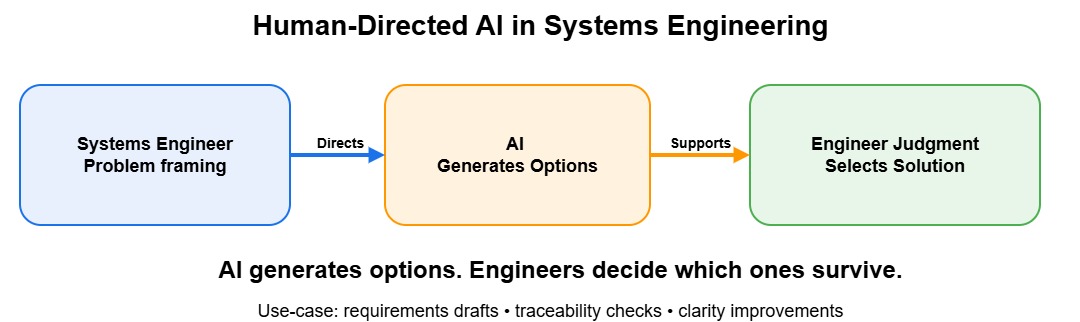
Is AI the Missing Subject Matter Expert in Systems Engineering?

Artificial intelligence is rapidly reshaping engineering workflows. Across many industries, it is

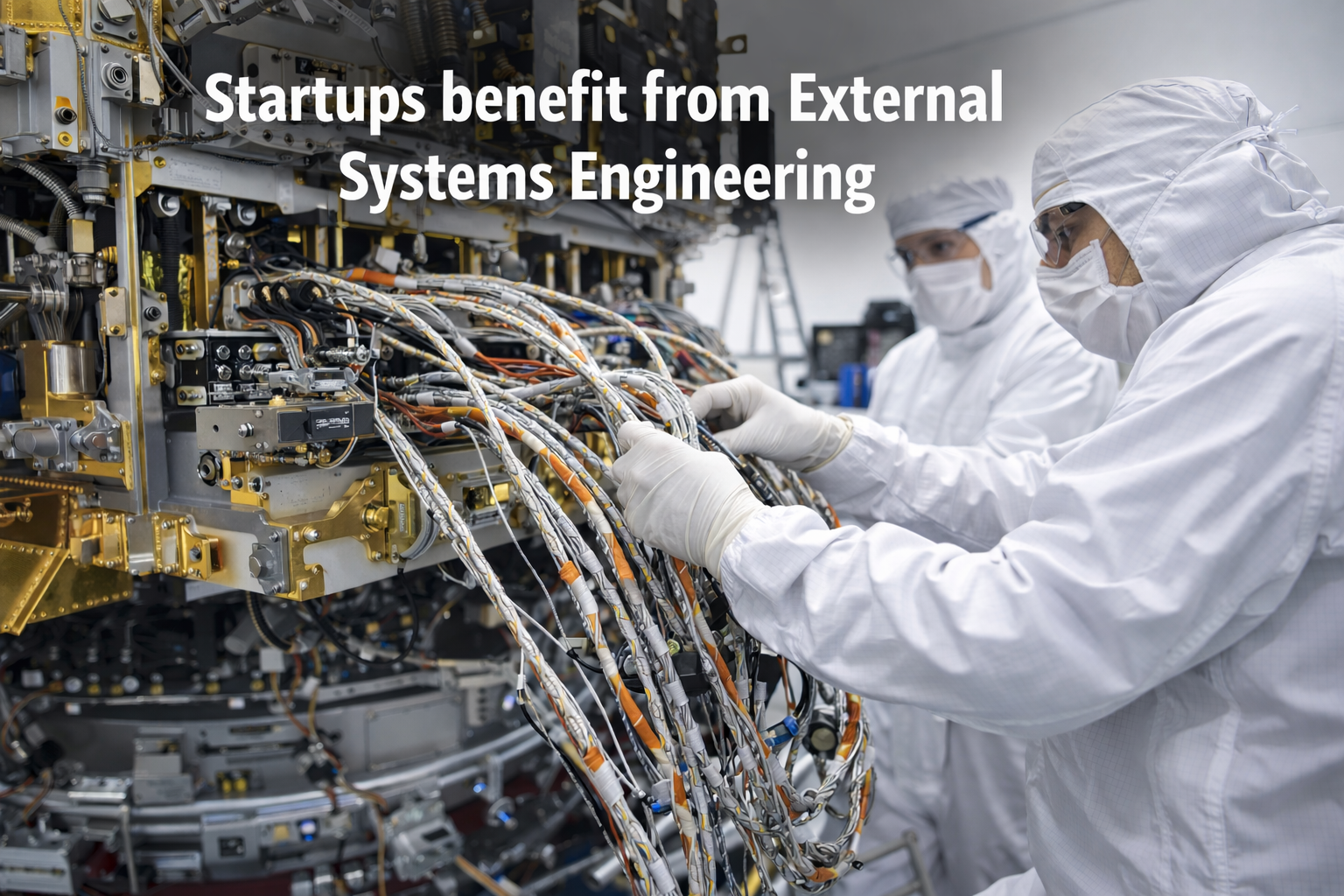
Why Internal Systems Engineering Efforts Fail in Startups?

Many startups may “do systems engineering.” They build requirements. They build architecture

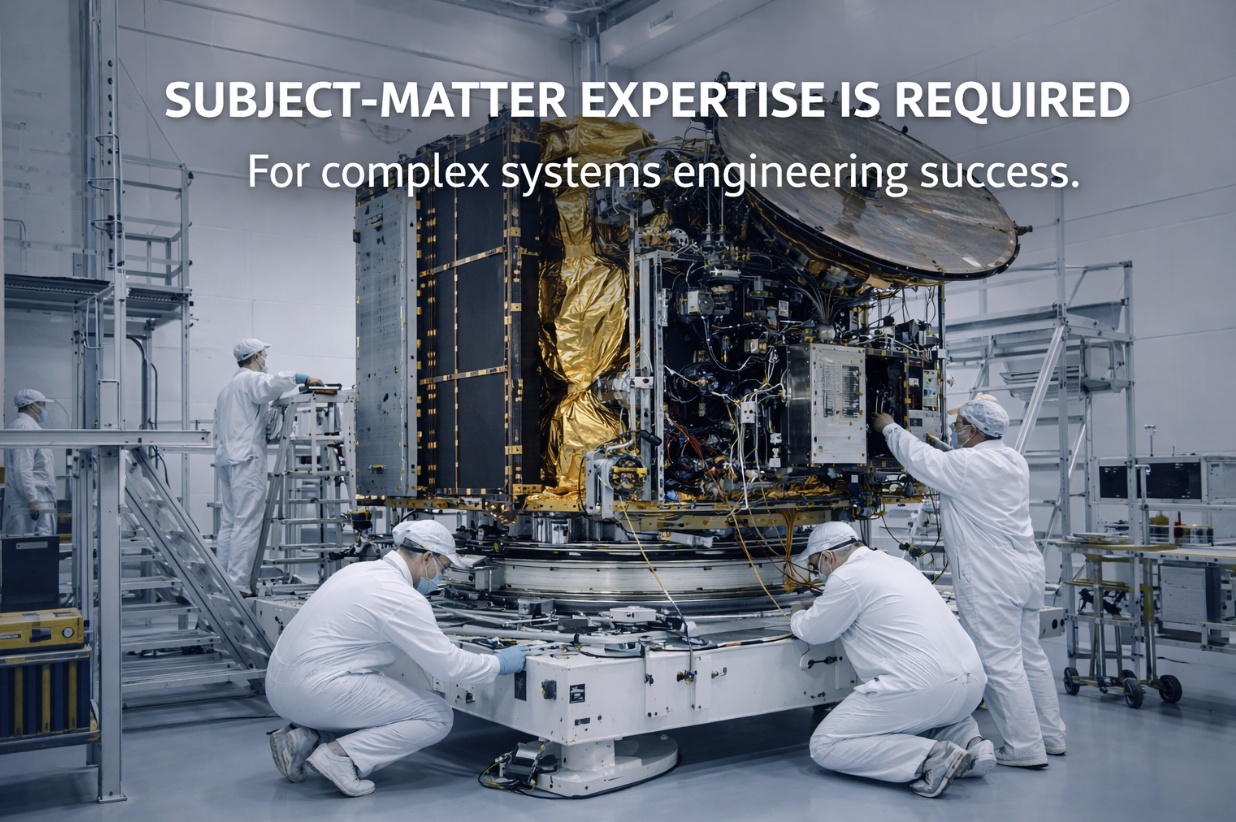
Is Subject-Matter Expertise Essential for Effective Systems Engineering?

A recurring assumption in systems engineering is that strong mastery of systems

Frequently Asked Questions – Space Systems Engineering & MBSE

When should MBSE be used in a space program?+
MBSE should be applied when system complexity, multi-supplier integration, lifecycle length, or verification constraints make informal engineering insufficient. Satellite constellations, payload programs, and ground integration efforts typically require structured model-based architecture and traceability.
Can systems engineering be introduced mid-project?+
Yes. Space systems engineering can be integrated during architecture, implementation, or integration phases to stabilize requirements, strengthen traceability, and align verification before critical milestones.
Do systems engineers need domain expertise in space programs?+
Yes. Logical and physical decomposition require domain knowledge in space systems. Effective architecture and subsystem allocation depend on both systems engineering principles and domain experience.
How does MBSE reduce integration risk?+
MBSE maintains structured alignment between mission objectives, requirements, architecture, and verification. This reduces ambiguity, prevents subsystem gaps, and surfaces integration issues earlier in the lifecycle.
How does requirements traceability reduce program risk?+
Traceability ensures every requirement is allocated, implemented, and verified. It prevents omission, supports audit readiness, and reduces late-stage integration failures.
What is IV&V in space programs?+
Independent Verification & Validation (IV&V) evaluates whether system requirements, architecture, and implementation meet mission objectives and safety expectations, strengthening integration readiness and compliance confidence.
How early should verification strategy be defined?+
Verification strategy should be engineered during architectural development. Delaying verification planning increases risk of untestable requirements and costly rework during integration.
Can space systems engineering support commercial space programs?+
Yes. Commercial space programs benefit from disciplined systems engineering to manage integration complexity, scale constellations, and reduce lifecycle risk while maintaining schedule pressure.