One of the most common questions raised by engineering leaders and program managers is whether systems engineering—or Model-Based Systems Engineering (MBSE)—can still add value once a project is already underway.
The concern is understandable. Many teams associate systems engineering with early-phase activities: requirements definition, architecture development, and concept exploration. When implementation has already begun, introducing systems engineering can feel disruptive, late, or even pointless.
This belief is incorrect.
If a project genuinely warrants systems engineering, then it is never too late to introduce it. What changes is not the value of systems engineering, but the role it plays.
Systems Engineering Should Start on Day One — But Its Value Does Not Expire
For projects that meet the complexity thresholds discussed in Article 1, the ideal time to start systems engineering is Day One. Early systems engineering shapes architecture, clarifies requirements, and reduces downstream uncertainty.
However, many real-world projects do not start this way. Systems engineering is often deferred due to:
- Organizational unfamiliarity
- Unavailability of system engineering know how and resources
- Schedule pressure
- Perceived overhead – cost, resources and time
- Optimism that integration will “work itself out”
When this happens, a dangerous assumption often follows:
If systems engineering did not start early, it is no longer worth starting at all.
That assumption is wrong.
Systems engineering is not a phase-bound activity. It is a lifecycle discipline whose value extends far beyond initial design.
Systems Engineering Is a Lifecycle Discipline, Not a Design Ceremony
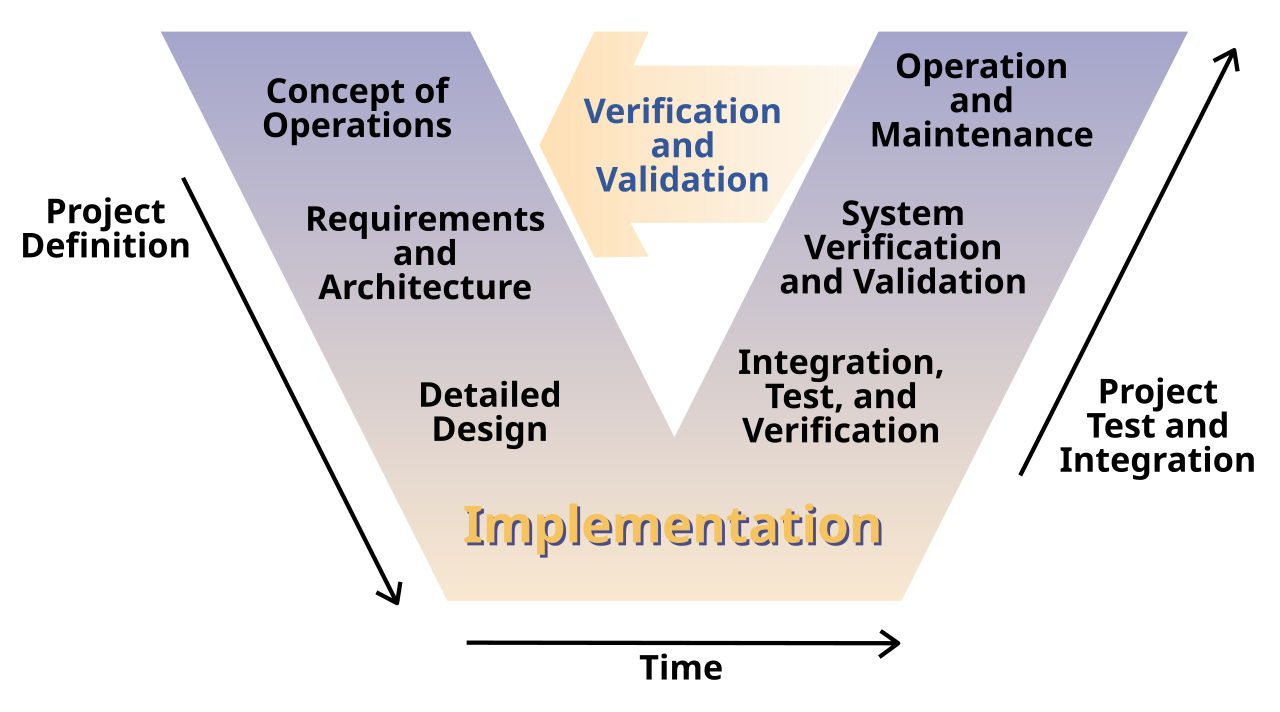
Complex systems live far longer in implementation, integration, operation, and support than they do in conceptual design. Across the full lifecycle, systems engineering continues to add value by:
- Maintaining system-level coherence
- Managing interfaces and interactions
- Supporting verification and validation
- Ensuring operational suitability
- Controlling risk as the system evolves
Even when implementation is underway, major system decisions are still being made—often implicitly. Systems engineering provides the structure to make those decisions explicit, traceable, and reviewable.
What Changes When Systems Engineering Is Introduced Mid-Project
When systems engineering starts early, its focus is on shaping decisions. When it starts later, its focus shifts to controlling risk and restoring alignment.
Late-stage systems engineering typically emphasizes:
- Exposing hidden assumptions
- Identifying inconsistencies between requirements, design, and implementation
- Clarifying system boundaries and interfaces
- Highlighting integration and verification gaps
- Preventing localized fixes from causing system-level failures
The goal is not to restart the project or redesign everything. The goal is to prevent future problems from compounding.
Systems Engineering as a Feedback Loop During Implementation
One of the most valuable contributions of systems engineering—especially when introduced late—is its role as a structured feedback loop.
Implementation generates new knowledge:
- Constraints that were misunderstood
- Interfaces that behave differently than expected
- Performance limits that were optimistic
- Failure modes that were not anticipated
Without systems engineering, this knowledge remains fragmented. Teams fix problems locally without understanding their system-level impact.
With systems engineering in place:
- Implementation insights are fed back into system understanding
- Requirements are refined rather than blindly enforced
- Architectural assumptions are revisited while change is still possible
- Verification and QA activities align with real system behavior
This feedback loop is valuable at any stage of the project.
Impact on Verification, QA, and IV&V
Late introduction of systems engineering often delivers its highest return through verification, validation, and quality assurance.
System-level reasoning improves:
- Scenario-based test planning
- Traceability between requirements and verification evidence
- Identification of coverage gaps
- Readiness for audits, reviews, and acceptance
For many programs, this alone justifies introducing systems engineering even after development has begun.
What Late Systems Engineering Can Still Achieve
Introducing systems engineering mid-project can still:
- Reduce integration risk
- Improve verification readiness
- Surface hidden dependencies
- Improve operational and support planning
- Enable safer upgrades and extensions
- Reduce long-term lifecycle cost
These benefits often extend well into operations and maintenance.
What Late Systems Engineering Cannot Undo
It is important to be realistic. Once late some of the benefits of System Engineering are lost. For example late systems engineering cannot fully reverse:
- Poor architectural commitments that are now frozen
- Physical constraints that are no longer changeable
- Business decisions that eliminated viable options
However, it can prevent these limitations from causing cascading failures later in the lifecycle.
Practical Guidance for Introducing Systems Engineering Late
When systems engineering is introduced after implementation has started, it should be applied selectively and pragmatically. Effective approaches include:
- Focus on system boundaries, interfaces, and scenarios
- Take input from experience from team who have gain experience from real world implementation.
- Avoid comprehensive restarts or full re-modeling efforts
- Prioritize areas with integration, safety, or verification risk
- Align closely with QA, verification, and operational teams
- Treat systems engineering as a stabilization and risk-control function
The objective is not process compliance. The objective is system predictability.
Closing Perspective
If a project warrants systems engineering, it should ideally start on Day One.
But when it does not, abandoning systems engineering altogether only increases long-term risk.
Systems engineering is not limited to early design. It is a lifecycle discipline that continues to add value wherever complexity, integration, and operational responsibility exist.
It is never too late to start systems engineering—provided expectations are realistic and its role is clearly understood.
Frequently Asked Questions (FAQ)
- Is MBSE useful if the project is already in development?
Yes. MBSE can still reduce integration risk, improve verification readiness, and expose hidden assumptions even during implementation. - Will introducing systems engineering late slow down delivery?
If applied selectively, it usually prevents larger delays later by reducing rework and late discovery of issues. - Is systems engineering only valuable during architecture design?
No. Systems engineering supports the entire lifecycle, including integration, operations, upgrades, and end-of-life planning. - Can systems engineering be applied in parallel with implementation?
Yes. In many projects, systems engineering operates most effectively as a feedback loop during implementation. - Is it too late to introduce systems engineering after requirements are frozen?
It may be too late to change certain decisions, but systems engineering can still prevent downstream failures and improve verification outcomes. - Should all late-stage projects introduce MBSE?
Only if the project warrants systems engineering based on complexity, coupling, and lifecycle considerations. - What is the biggest risk of introducing systems engineering late?
Expecting it to undo irreversible decisions. Its role is risk control, not retroactive redesign.